
Currently Empty: ₹0.00

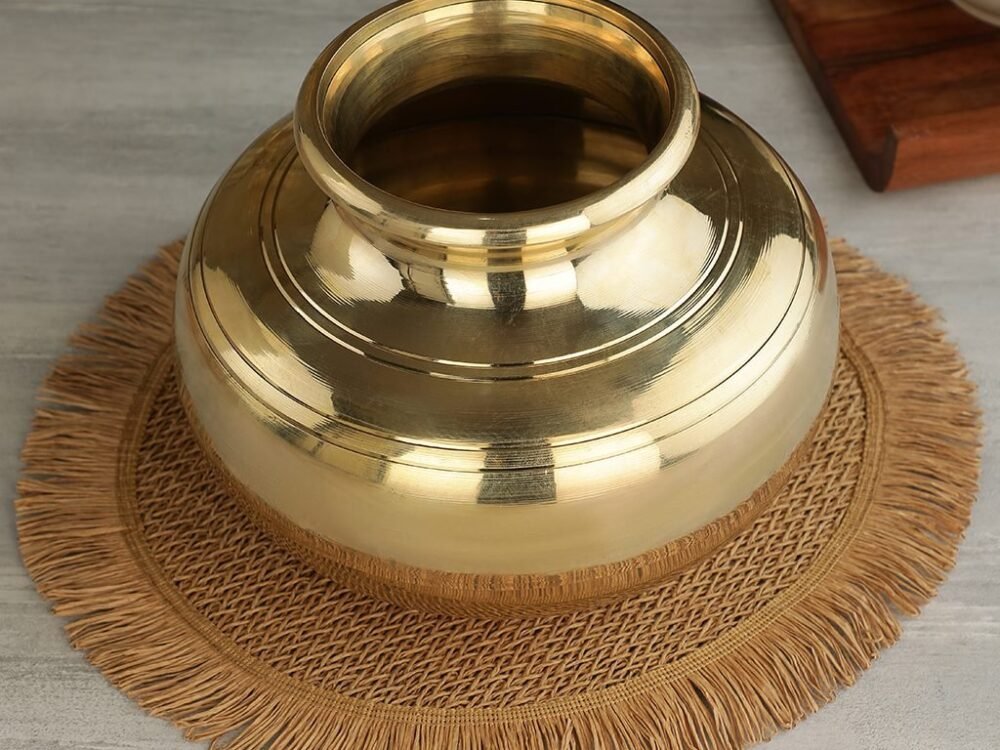
Before steel and plastic took over Indian kitchens, brass — known as Pital — was the metal of choice for almost everything: cooking, storing, serving, and drinking. Today, that habit is making a comeback, and not just for nostalgia. Brass kitchenware offers practical, everyday advantages that modern materials simply don’t.
At Atya Luxury, our brass range — from masala boxes and storage jars to glasses, water jugs, namakdanis, and tawas — is built for families who want their kitchen essentials to be functional, durable, and rooted in tradition.
Here’s what makes brass worth bringing back into daily use.
What Is Brass, and Why Does It Matter for Kitchenware
Brass is an alloy of copper and zinc, typically in a ratio of around 70% copper to 30% zinc. This combination gives brass its signature golden colour, along with properties that make it well-suited for both cooking and storage.
Ayurveda has long valued brass for its believed ability to support digestion and balance the body’s doshas. While these are traditional beliefs rather than clinically proven medical claims, what is well established is brass’s natural antimicrobial property — largely due to its copper content — along with its durability and heat-retention qualities, which is why it has stayed relevant in Indian homes for generations.
Key Benefits of Brass Kitchenware
1. Naturally Antimicrobial
Copper-based metals like brass have a natural ability to limit bacterial growth on their surface. This is one reason brass containers were traditionally used for storing dry goods, spices, and even drinking water — it’s a passive layer of protection that plastic or glass simply doesn’t offer.
2. Excellent Heat Retention
Brass heats evenly and holds heat for longer once removed from the flame. This is especially useful for items like a brass tawa, where consistent heat distribution means rotis and parathas cook more evenly without scorched patches or undercooked centres.
3. Supports Better Digestion (Traditional Belief)
In Ayurvedic practice, water stored in brass vessels overnight is believed to stimulate digestive enzymes and ease common issues like bloating and acidity. Many households still follow this as a simple daily habit — store water in a brass jug or glass overnight, drink it first thing in the morning.
4. No Plastic, No Leaching Concerns
Storage containers and jars made of plastic come with long-term questions about chemical leaching, especially with repeated use and exposure to heat or oily contents. Brass storage jars avoid this entirely — they’re inert, don’t react with most dry food items, and don’t degrade the way plastic does over years of use.
5. Built to Last for Decades, Not Years
Unlike plastic containers that crack, discolour, or absorb odours over time, brass kitchenware is genuinely durable. A well-maintained brass masala box or storage jar can last for decades, often getting passed down within families — something steel does too, but without the same character and craftsmanship that brass carries.
6. Adds a Traditional, Elevated Look to Everyday Use
Beyond function, brass simply looks good. A row of brass storage jars on an open shelf, or a brass namakdani on the dining table, brings a warmth and traditional aesthetic that stainless steel or plastic can’t replicate — useful if your kitchen doubles as a space you want to look intentional, not purely utilitarian.
Brass Kitchenware for Everyday Use
A common assumption is that brass utensils are decorative or reserved for special occasions. In practice, brass was — and still can be — used for daily cooking, storage, and serving. At Atya Luxury, our brass collection is designed exactly for that:
- Brass Masala Box — keeps everyday spices fresh, protected from moisture, and naturally resistant to bacterial buildup, ideal for daily cooking use.
- Brass Storage Container / Jar — a sturdy, long-lasting alternative to plastic containers for grains, pulses, and dry snacks, without any risk of chemical leaching.
- Brass Glass — traditionally used for drinking water, especially water stored overnight, as part of a simple Ayurvedic morning routine.
- Brass Water Jug — for storing and serving water at the dining table, combining function with a traditional aesthetic.
- Brass Namakdani — a classic salt container designed to keep salt dry and easily accessible during cooking, a small but practical daily-use item.
- Brass Tawa — even heat distribution for rotis, parathas, and dosas, giving a more consistent cook than many modern non-stick alternatives.
Each piece is handcrafted using traditional techniques, finished for genuine daily use rather than just display.
How to Care for Brass Kitchenware
Brass needs a little more attention than steel, but the upkeep is simple:
- Clean with a mix of lemon and salt, or tamarind pulp, to naturally restore shine without harsh chemicals.
- Avoid leaving acidic foods (like pickles or citrus) in brass containers for extended periods — prolonged contact can affect both taste and the metal’s finish.
- Dry thoroughly after washing to prevent water spots or tarnishing.
- Store in a dry place; occasional polishing keeps the natural golden finish intact for years.
With basic care, brass kitchenware doesn’t just last — it tends to look better with age, developing a patina that many households consider part of its charm.
Should You Switch to Brass?
You don’t need to replace your entire kitchen overnight. Most households start with one or two pieces — a brass glass for morning water, or a brass masala box on the counter — and expand from there once they see the difference in daily use.
Explore Atya Luxury’s handcrafted brass masala boxes, storage jars, glasses, water jugs, namakdanis, and tawas — kitchenware built for everyday use, the way Indian kitchens have always used brass.
Frequently Asked Questions
Is it safe to store water in brass overnight? Yes, when the brass is of food-grade quality. Many households traditionally store water in brass vessels overnight and drink it the next morning as part of an Ayurvedic routine.
Can I store spices in a brass masala box long-term? Yes, brass masala boxes are well suited for dry spice storage. Its natural antimicrobial properties help keep spices fresher for longer compared to plastic containers.
Is a brass tawa better than a non-stick tawa? Brass tawas offer more even heat distribution and don’t carry the same concerns around coating wear that non-stick tawas do over time, though they do require slightly more maintenance.
How is brass different from bronze utensils? Brass is an alloy of copper and zinc, while bronze (Kansa) is an alloy of copper and tin. Brass is more commonly used for cooking and storage items like tawas, jars, and jugs, while bronze is traditionally preferred for direct food consumption like dinner sets and bowls.